What Is an Antagonist? Definition, Types, and Examples
 By Shihab Mia June 28, 2026 8 min read
Quick answer
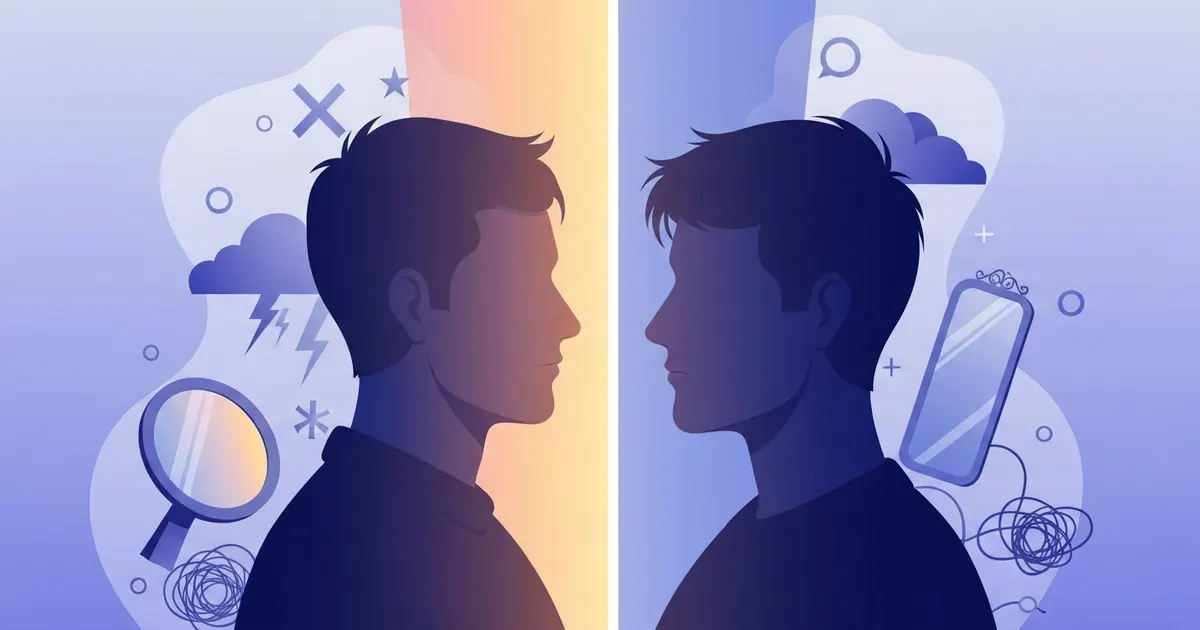
An antagonist is the character, force, or element that opposes the protagonist and creates the central conflict in a story. The protagonist is the main character the story follows, and the antagonist works against their goal. An antagonist is not always a villain: it can be a rival, society, nature, technology, or even the hero's own inner struggle.
What is an antagonist?
An antagonist is whoever or whatever stands in the way of the protagonist achieving their goal. According to Merriam-Webster, the word traces back to the Greek antagonistes, meaning opponent or rival, from anti- (against) plus agonizesthai (to contend for a prize). In the simplest terms, if the protagonist wants something, the antagonist is the obstacle between them and it.
The key idea is opposition, not evil. A coach who pushes a young athlete too hard, a sister competing for the same scholarship, a hurricane, a deadline, or a character's own fear can all serve as antagonists. What unites them is function: they generate conflict and force the protagonist to change, struggle, or grow. Antagonists are one of the core building blocks of storytelling, alongside other literary devices that shape how a narrative works. Understanding the role also helps with reading comprehension, since spotting the source of conflict early tells you what a chapter or scene is actually building toward.
Antagonist vs protagonist: what is the difference?
These two terms define each other. The protagonist is the central character whose journey the story follows; the antagonist is the opposing force. They are roles, not personality labels. A protagonist can be deeply flawed or even unlikable, and an antagonist can be sympathetic, charming, or convinced they are doing the right thing.
Protagonist vs antagonist at a glance
| Aspect | Protagonist | Antagonist |
|---|---|---|
| Role in story | Main character the story follows | Force that opposes the main character |
| Drives | The goal or desire | The obstacle or conflict |
| Moral alignment | Not always good | Not always evil |
| Can be a person? | Usually yes | Yes, but also nature, society, or self |
| Reader focus | We follow their point of view | We measure the hero against them |
What are the four types of conflict?
Because an antagonist is defined by opposition, the easiest way to classify antagonists is by the type of conflict they create. Literary tradition recognizes four main categories, often phrased as "man vs" for short. Most novels, plays, and films combine at least two of these at once, layering an external opponent over an internal struggle so the conflict never feels one-note.
The four main types of conflict
| Conflict type | The antagonist is... | Classic example |
|---|---|---|
| Man vs man | Another character or rival | Harry Potter facing Voldemort |
| Man vs self | The character's own fear, doubt, or flaw | Hamlet wrestling with his own indecision |
| Man vs society | Laws, norms, or institutions | Katniss against the Capitol in The Hunger Games |
| Man vs nature | The natural world or environment | Santiago battling the sea in The Old Man and the Sea |
Man vs man
The most familiar type. Here the antagonist is another character with goals that clash with the protagonist's. Think of Sherlock Holmes and Professor Moriarty, or Captain Ahab pursuing the whale he treats as a personal rival. This is where true villains usually live, but the opponent can also be a friendly rival, a sibling, or a well-meaning person on the other side of a disagreement. What makes man vs man compelling is not cruelty but competence: the antagonist has to be smart, resourceful, or determined enough to make the protagonist's eventual win feel earned.
Man vs self
Sometimes the strongest opposition comes from inside. In a man vs self story, the antagonist is the protagonist's own doubt, addiction, guilt, or fear. Hamlet's hesitation is arguably his greatest enemy, and it is what turns a straightforward revenge plot into one of the most analyzed tragedies in English literature. This internal struggle often runs underneath an external one, giving a story emotional depth. A character can defeat every outside opponent and still lose if they never resolve the fight happening inside their own head.
Man vs society and man vs nature
In man vs society, the antagonist is a system: oppressive laws, prejudice, bureaucracy, or social expectation. Winston Smith's struggle against the Party in 1984 is a textbook case, since there is no single villain to defeat, only an entire apparatus built to crush dissent. In man vs nature, the antagonist is the physical world, like a storm, a mountain, an illness, or the cold. Neither type has a face, yet both create relentless, grinding pressure that a character cannot simply out-argue or outfight. These impersonal antagonists pair beautifully with techniques like symbolism and foreshadowing to build dread, since a storm on the horizon or a recurring omen can signal the coming conflict long before it arrives.
What are some famous antagonist examples?
Looking at well-known stories makes the concept click. Notice how few of these are simple "bad guys."
- Voldemort in the Harry Potter series, a classic personal villain (man vs man).
- The Capitol in The Hunger Games, an oppressive society rather than a single person (man vs society).
- The white whale in Moby Dick, a force of nature that becomes an obsession (man vs nature).
- Hamlet's own indecision in Shakespeare's play, an internal antagonist (man vs self).
- Nurse Ratched in One Flew Over the Cuckoo's Nest, an authority figure who is not a criminal yet relentlessly opposes the protagonist.
- Mr. Darcy, early in Pride and Prejudice, an antagonist to Elizabeth's expectations who is clearly not a villain at all.
- Iago in Othello, a man vs man antagonist whose weapon is manipulation rather than force.
That middle group matters most. Nurse Ratched, Mr. Darcy, and Iago show that opposition, not villainy, is the test. A character who simply blocks the protagonist's path, whether through force, manipulation, disapproval, or misplaced authority, qualifies as an antagonist. Reading these examples side by side also shows how the four conflict types rarely appear in isolation. Voldemort is a man vs man threat, but he also represents a societal ideology Harry has to reject, and the Capitol in The Hunger Games oppresses Katniss through both institutions and individual agents like President Snow.
Why do writers use antagonists?
Antagonists are not optional decoration. They are the engine of plot. Here is what a strong one does for a story:
- Creates conflict, which is the heartbeat of every narrative. No opposition means no story.
- Reveals character, because we learn who the protagonist truly is by watching how they respond under pressure.
- Raises stakes, since a capable opponent makes success feel uncertain and victory feel earned.
- Drives change, as the protagonist must adapt, learn, or transform to overcome the obstacle.
- Shapes theme, because the clash of goals often dramatizes the story's central idea.
- Paces the plot, since escalating opposition gives a writer a natural way to structure rising action toward a climax.
A hero is only as compelling as the obstacle they must overcome.
How do you create a strong antagonist in your own writing?
If you are drafting fiction, you can build a memorable antagonist with a few deliberate choices. The goal is opposition that feels real and earned, not a cardboard obstacle inserted to pad the page count.
- Give them a clear goal that directly collides with the protagonist's goal. Conflict comes from incompatible wants, not just dislike.
- Make them capable. A weak opponent makes a hollow victory. The antagonist should feel like a genuine threat.
- Give them a reason. Even a villain should believe they are justified. Motivation makes them three-dimensional and helps you avoid writing a cartoon.
- Match the antagonist to your theme. If your story is about freedom, an oppressive society may oppose better than a single rival.
- Mirror the protagonist. The best antagonists reflect or distort something in the hero, sharpening the contrast between what each character values.
Once you have a draft, check whether the opposition stays present on the page. If long stretches pass with no pressure on your protagonist, the antagonist has gone quiet and tension will sag. A quick checklist can help:
- Does the antagonist appear, or at least loom, in every major section of the story, not just the opening and the climax?
- Can you state the antagonist's goal in one sentence, and does it directly block the protagonist's goal?
- Does the antagonist ever gain ground, so the protagonist is not simply winning by default?
- If you removed the antagonist entirely, would the plot fall apart? If not, the opposition may be too thin.
You can use the Hemingway editor to tighten conflict-heavy scenes so the tension reads clearly, and a word counter to keep chapters balanced as you revise.
Common mistakes to avoid
- Assuming the antagonist must be evil. Opposition is the only requirement. A loving parent, a well-meaning mentor, or a rule-following bureaucrat can all be antagonists without a single evil act.
- Making the antagonist too weak. If the protagonist wins easily, there is no real story. A one-sided fight reads as a formality, not a climax, and readers can feel the lack of stakes.
- Confusing antagonist with villain. Every villain is an antagonist, but not every antagonist is a villain. Treating the terms as interchangeable leads to flatter characters who exist only to lose.
- Forgetting internal conflict. A purely external opponent can feel flat without inner stakes. Pairing an outside threat with the protagonist's own doubt or flaw almost always deepens the story.
- Leaving motivation blank. "Evil for no reason" rarely satisfies modern readers. Even a brief scene establishing why the antagonist believes they are right makes the opposition feel earned rather than convenient.
- Letting the antagonist disappear for long stretches. If a reader forgets the opposing force exists, tension collapses, so antagonists need to keep exerting pressure even off the page.
Mastering antagonists also strengthens your grasp of related craft, including how you build character traits for both sides of a conflict. Once you can spot who opposes whom, you will read figurative language and story structure with sharper eyes, because you understand what every scene is fighting for.
🔤 Try the free tool Word Counter Free word counter to count words, characters, sentences and paragraphs in real time, with reading time and keyword density. Private, in your browser, no signup.The antagonist is one of the most misunderstood ideas in storytelling, yet one of the most powerful once it clicks. Remember the core truth: an antagonist is whatever opposes the protagonist and creates conflict, whether that is a rival, society, nature, technology, or the hero's own divided heart. Get the opposition right, and the rest of your story has something worth fighting through.
Frequently asked questions
Is an antagonist always the villain?
No. A villain is an evil antagonist, but an antagonist is simply anyone or anything that opposes the protagonist. A rival athlete, a strict parent, a storm, a society, or the hero's own fear can all be antagonists without being villains. Opposition, not evil, is what defines the role.
What is the difference between a protagonist and an antagonist?
The protagonist is the main character the story follows and roots for. The antagonist is the force that opposes that character and creates conflict. They are functional roles rather than moral labels, so a protagonist can be flawed and an antagonist can be sympathetic or even likable.
Can a story have more than one antagonist?
Yes. Many stories use several antagonists at once, such as a personal rival plus an oppressive society, or an external enemy plus the protagonist's own inner doubt. Combining external and internal antagonists is one of the most reliable ways to add emotional depth and sustained tension.
Can the antagonist and protagonist be the same person?
In a man vs self story, effectively yes. The protagonist's own fear, addiction, guilt, or flaw becomes the opposing force they must overcome. The external character is still the protagonist, but the antagonist is internal, which makes for a deeply personal and psychological conflict.
What are the four main types of conflict?
The four classic types are man vs man, man vs self, man vs society, and man vs nature. Each describes a different kind of antagonist: another character, an inner struggle, an institution or social system, and the natural world. Most stories blend two or more of these for richer tension.
Why is the antagonist important in a story?
The antagonist creates conflict, which is the engine of every narrative. By opposing the protagonist, it raises the stakes, reveals character under pressure, and forces growth or change. Without meaningful opposition, a story has no tension and the protagonist's eventual success feels unearned.